
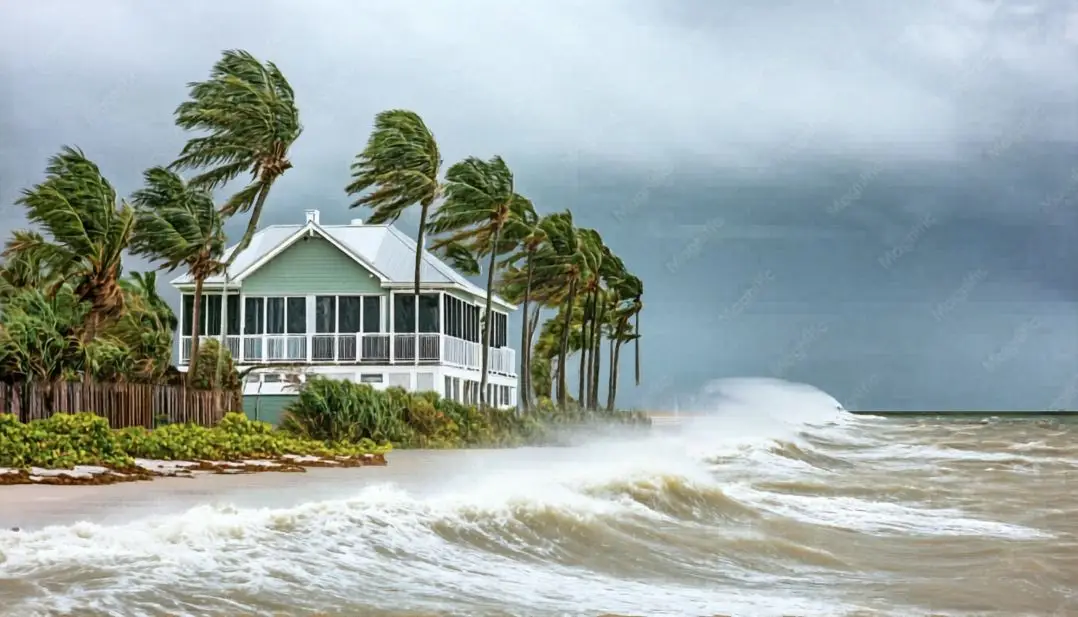
Hurricane season in Florida starts in June and runs through November. If you live in Flagler County, you already know what that means. You start checking your insurance, reviewing your windows, and wondering if your home can actually handle a direct hit.
A lot of buyers do not realize how much their home type matters until they are already dealing with the aftermath. That is why more people are looking for Flagler County energy efficient home builders who understand that storm protection and energy efficiency come from the same building systems.
Table of Contents
ToggleThe Cost of Waiting Until It Is Too Late
Here is the hard truth. You cannot wait until hurricane season is here to decide if your home is ready. By then, it is too late. Windows cannot be upgraded. Walls cannot be reinforced. Roof systems cannot be retrofit with the same effectiveness as building them correctly from the start.
Here’s what most homeowners do not see until after a storm:
- Insurance claims that take months to process
- Temporary living arrangements while repairs are completed
- Deductibles that are higher than expected
- Damage that is not covered by the policy
- Contractors who are unavailable for weeks after a major event
Builders who specialize in Flagler County hurricane homes builders know this firsthand because they have seen it happen year after year.
Standard Wood-Frame Homes Are More Vulnerable
Most homes in Flagler County are built with wood-frame construction. It is fast, widely available, and what most production builders use. But wood-frame homes are more vulnerable to wind, rain, and moisture over time. The gaps in the framing let air through. The insulation is thinner. The walls are not as strong.
Here’s what makes wood-frame homes more vulnerable:
- Walls that are typically 3.5 to 5.5 inches thick
- Air leaks through gaps in the framing
- Insulation that is not as effective as solid concrete
- Windows and doors that are not integrated into a sealed envelope
- Roof connections that are not engineered for maximum uplift resistance
This is why more buyers are choosing Flagler County hurricane homes that are built with ICF concrete walls instead.
What Storm Protection Actually Costs After a Major Event
Let us talk about the real cost of storm damage. It is not just about the roof. It is about everything that gets damaged when wind, rain, and pressure hit a home that is not built to handle it.
Common storm damage costs after a major event:
- Hurricane shutters: $95 per window just to prepare
- Full roof replacement: $21,054 on average after major storm damage
- Impact-resistant window replacement: $2,486 per window after a direct hit
- Mold remediation after water intrusion: thousands depending on scope
- Portable generator costs: $1,200 and up for basic backup power
Builders who focus on Flagler County hurricane homes builders design their homes to avoid these costs in the first place.
Energy Efficiency and Storm Protection Are Connected
Most buyers do not realize that energy efficiency and storm protection are not separate things. They come from the same building systems. A home that is sealed tight to keep cool air in is also a home that is sealed tight to keep storm pressure out.
Here’s what drives both energy savings and storm protection:
- ICF walls block heat transfer far more effectively than wood framing
- The airtight building envelope stops cool conditioned air from escaping
- Thermal mass in concrete absorbs daytime heat slowly and releases it at night
- Impact-resistant windows and doors maintain the building envelope
- Wind-mitigated roof systems reduce uplift during a storm
This is why Flagler County energy efficient home builders often build with ICF construction as their core system.
Insurance Premiums Are Higher for Standard Homes
Insurance in Florida is expensive. But it is especially expensive for homes without storm-resistant features. A standard wood-frame home in Flagler County often carries a much higher premium than a certified storm-resistant build.
Insurance cost differences to consider:
- Standard homes often carry higher baseline premiums
- Homes with hurricane mitigation features qualify for significant discounts
- Storm-resistant construction can save 20 to 55% on premiums
- Lower premiums start from the first policy year if the home is certified
- Over 10 years, the savings can cover a large chunk of the upgrade cost
Builders who construct Flagler County hurricane homes include these features as standard, not as an optional upgrade.
What Makes a Home Ready for Hurricane Season
If you want a home that is ready for hurricane season, you need to choose it from the start. You cannot add storm protection later. The walls, windows, roof, and building envelope all have to work together. This is what Flagler County hurricane homes builders deliver on every build.
Here’s what storm-ready construction includes:
- Steel-reinforced solid poured concrete walls
- Impact-resistant windows and doors
- Wind-mitigated roof systems with engineered uplift resistance
- A sealed building envelope that reduces pressure buildup
- Wind ratings up to 200 mph for the full home
Final Thoughts
Hurricane season is coming. If you are building in Flagler County, you need to decide now what kind of home you want. A standard wood-frame home will cost less upfront, but it will cost more every year in utility bills, insurance, and repairs.
If you want a home that is ready for storm season, Florida Green Building Construction builds certified ICF homes across Flagler, Volusia, and St. Johns Counties. Every home carries EPA Energy Star, EPA Indoor airPLUS, FGBC, and FPL BuildSmart certifications. Contact the team today to schedule your free consultation and build a home that is ready for hurricane season.
Common Questions and Answers About Hurricane Homes Builders
When does hurricane season start in Flagler County?
Hurricane season in Florida starts June 1 and runs through November 30. If you live in Flagler County, you need to be ready before June arrives. By the time storm season is here, it is too late to upgrade windows, reinforce walls, or improve your roof system.
Why are wood-frame homes more vulnerable to hurricanes?
Wood-frame homes are more vulnerable because walls are typically 3.5 to 5.5 inches thick with air leaks through the framing. Insulation is thinner, and windows and doors are not integrated into a sealed envelope. Concrete ICF walls are far stronger and more airtight.
What does storm damage cost after a major hurricane?
Common storm damage costs include hurricane shutters at $95 per window, full roof replacement at $21,054 on average, impact-resistant window replacement at $2,486 per window, mold remediation costing thousands, and portable generators at $1,200 and up for basic backup power during outages.
How do energy efficiency and storm protection connect?
Energy efficiency and storm protection come from the same building systems. A home sealed tight to keep cool air in is also sealed tight to keep storm pressure out. ICF walls, airtight envelopes, and impact-resistant windows deliver both benefits simultaneously.
Are insurance premiums higher for standard wood-frame homes?
Yes. Insurance in Florida is expensive, but it is especially expensive for homes without storm-resistant features. A standard wood-frame home often carries a much higher premium than a certified storm-resistant build. Homes with hurricane mitigation features can save 20 to 55% on premiums.
What makes a home truly storm-ready for hurricane season?
A storm-ready home includes steel-reinforced solid poured concrete walls, impact-resistant windows and doors, wind-mitigated roof systems with engineered uplift resistance, a sealed building envelope that reduces pressure buildup, and wind ratings up to 200 mph for the full home structure.
When should I decide on storm protection for my new home?
You need to choose storm protection from the start. You cannot add it later. The walls, windows, roof, and building envelope all have to work together. If you are building in Flagler County, decide now what kind of home you want before construction begins.